Summary
Final Fantasyintroduced American audiences to RPGs during the NES era when home consoles were dominated by 8-bit technology. As the gaming world transitioned into the 16-bit era, Final Fantasy played a pivotal role in elevating the genre by weaving compelling stories and utilizing advanced narrative elements. These innovations were previously associated more with movies and books than with video games.
Most of the 2D Final Fantasy games were released during the 8-bit and 16-bit eras, each with distinct strengths and weaknesses that make comparisons abstract and challenging. While some Final Fantasy games are renowned for their epic storytelling and expansive worlds, others in the series placed greater emphasis on advancing character customization and developing more engaging battle systems.
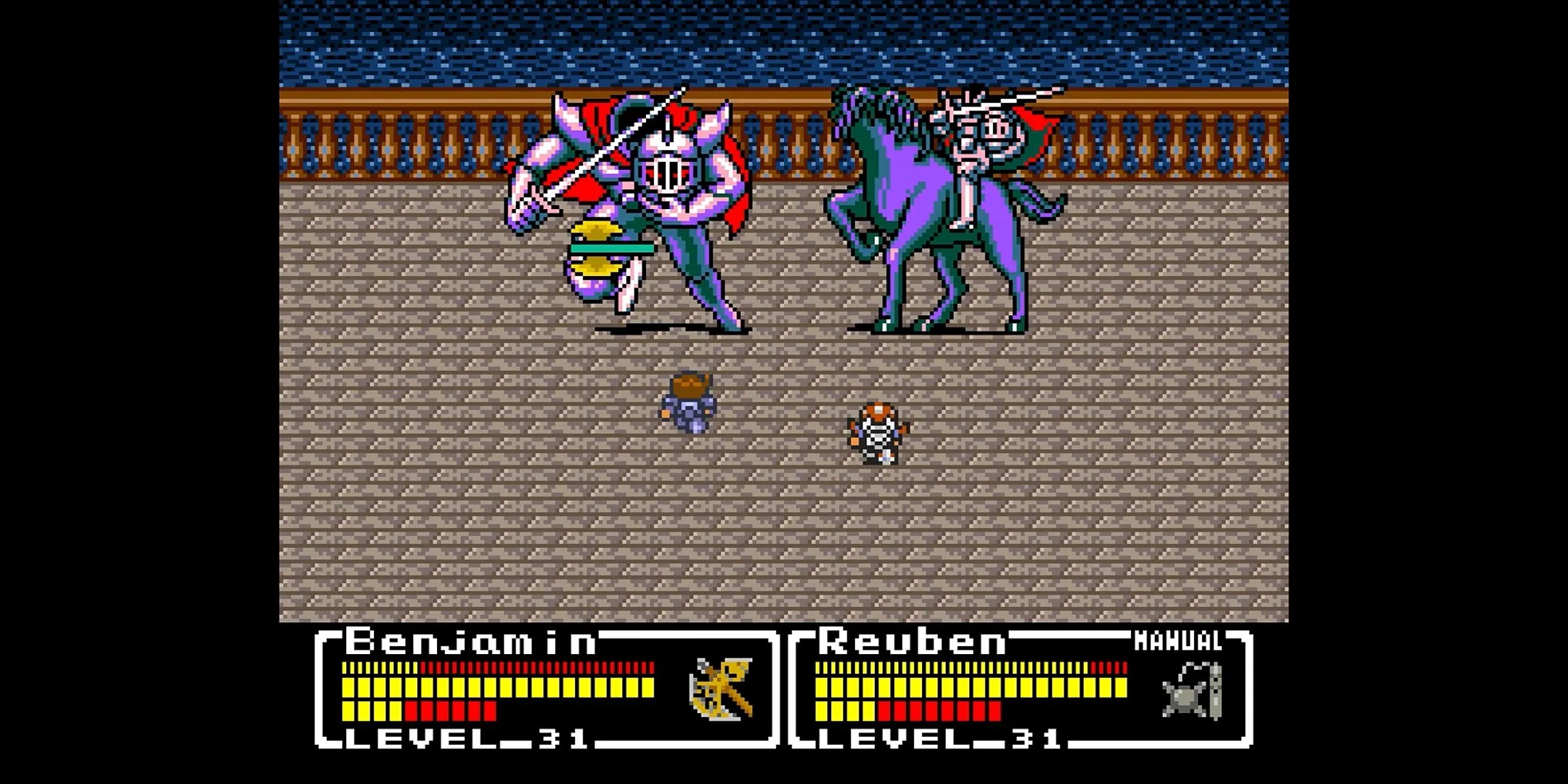
Square wanted to ease Americans into the RPG market, so they created Final Fantasy Mystic Quest as anRPG geared toward beginners. Final Fantasy Mystic Quest provided interesting puzzle elements not commonly seen in RPGs at that time and eliminated random encounters, which were the norm during the 16-bit era.
Depth was sacrificed to make a game beginners of the RPG genre could understand. Final Fantasy Mystic Quest has a barebones battle system and a streamlined plot, leaving much to be desired for the average RPG fan.

One of the most ambitious entries in the series, Final Fantasy 2 added narrative elements like themes and characterization to Final Fantasy. Final Fantasy 2 experimented with a distinct leveling system. Instead of gaining experience points and becoming stronger overall, characters' specific stats grew based on the actions they performed, akin toPokemon’s EV system.
Final Fantasy 2 comes up short when it comes to balance and clarity. Advancing the story in Final Fantasy 2 is often cryptic. Getting past certain enemies requires specific abilities to be leveled up, which means you’re able to spend a lot of time farming the same actions repeatedly.

Final Fantasy 3 introduced the iconic job system, allowing players to switch their character class throughout a playthrough. Final Fantasy 3 greatly expanded on classes, spells, and jobs. Despite building on its predecessors, Final Fantasy 3 never became quite as iconic as the original Final Fantasy or some of the SNES-era titles.
The issues with Final Fantasy 3 are more nuanced compared to other games in the series. The game encourages players to switch classes to navigate certain dungeons, but this mechanic isn’t always balanced well, leading to potential frustration from grinding classes players may not prefer. While Final Fantasy 3 expands on the simple story of the original, its attempt to add complexity can result in a more disjointed and inconsistent narrative.

Final Fantasy 4: The After Years serves as a sequel to the renowned Final Fantasy 4, continuing the narrative with a blend of returning and new characters. It expands on the plot and adds depth to the ongoing storyline.
While Final Fantasy 4: The After Years was an exciting return to the world of Final Fantasy 4, it suffers from a lack of originality due to extensive reuse of material from its predecessor. The game caters primarily to fans looking to revisit the world of Final Fantasy 4, offering less appeal to those unfamiliar or disinterested in the original game.

The original Final Fantasy isone of the best 80’s RPG. While it feels archaic in many ways, it still has enough novelty to hold up today. Final Fantasy lacks a deep narrative, focusing more on the player’s quest to overcome challenges. With six classes that can be mixed and matched in a four-person party, the game offers surprising replayability.
When viewed as more of a survival game, where resource rationing and dungeon mapping are key, Final Fantasy distinguishes itself from the more story-oriented and accessible SNES entries. Despite remakes, modernizing the original Final Fantasy often results in making it too easy, rendering it inferior to existing Final Fantasy games.

Of all 2D Final Fantasies, Final Fantasy 6 stands out as the most grand in scope. It captured the imaginations of many and is consistently praised as the greatest SNES RPG, second only to Chrono Trigger. Final Fantasy 6 borrowed elements from Final Fantasy 4 and ambitiously expanded its story to be more grand and adventurous.
Final Fantasy 6 features a vast ensemble cast of characters, with rotating protagonists like Celes, Locke, and Terra. Its world blends medieval RPG elements with steampunk-inspired visuals and concepts, setting it apart from its predecessors.

The game’s plot twists and world-building are remarkable for a 16-bit title, though Final Fantasy 6’s battle system is relatively uninspiring and occasionally struggles to manage its extensive cast of characters.
This entry raised the bar for storytelling not just within the Final Fantasy series, but for JRPGs as a whole. Final Fantasy 4 played a pivotal role in encouraging JRPGs to take narrative risks with their plots and characterizations, paving the way for a rich tradition of plot twists that have since become a hallmark of the genre.

Final Fantasy 4 differs from later entries due to its linear structure. Characters in your party have well-defined roles with limited customization options. While this might appear restrictive, the streamlined abilities of characters like Cecil and Kain enhance their distinctiveness and still allow for strategic thinking in party formation. The game’s straightforward story becomes a strength compared to other Final Fantasy titles that sometimes struggle with complexity and plot convolution.
When Americans think of RPGs during the SNES era, they often recall Final Fantasy 4 and 6, but Final Fantasy 5 offers superior gameplay compared to its siblings. Its plot doesn’t stand out significantly, though; it’s fairly standard and in many ways not as strong as its predecessor, Final Fantasy 4.
However,Final Fantasy 5 uses a highly developed job system, allowing players to choose from over 26 different classes and mix attributes from different classes together. This system puts Final Fantasy 5 ahead of its time in terms of party customization. Playing Final Fantasy 5 multiple times results in a varied experience due to its unique classes such as geomancer and time mage, alongside more traditional roles like monk and black mage.
